- At 05-04-26 12:12:32
- Zack S
- Read Time: 4 minute read
Introducing XRPD by 22RPD
A New Control Platform for the BMW N52 and Beyond
TL;DR: XRPD is 22RPD’s in-house factory ECU extension platform for BMW N51/N52 using MSV70/MSV80. It adds advanced control features without replacing the stock DME, while keeping OEM integration and drivability, backed by 22RPD engineering and support.
If you’ve ever wanted flex fuel + map switching + no-lift shift on the stock DME without standalone headaches, XRPD is that.
XRPD is 22RPD’s new in-house ECU software extension platform. It runs on the factory BMW DME, adds advanced standalone-level features, and is launching first on the N52 platform. You keep the stock ECU, gain modern control features, and get full 22RPD engineering and support behind it.
What XRPD Is
XRPD is 22RPD’s software extension platform for BMW stock DMEs.
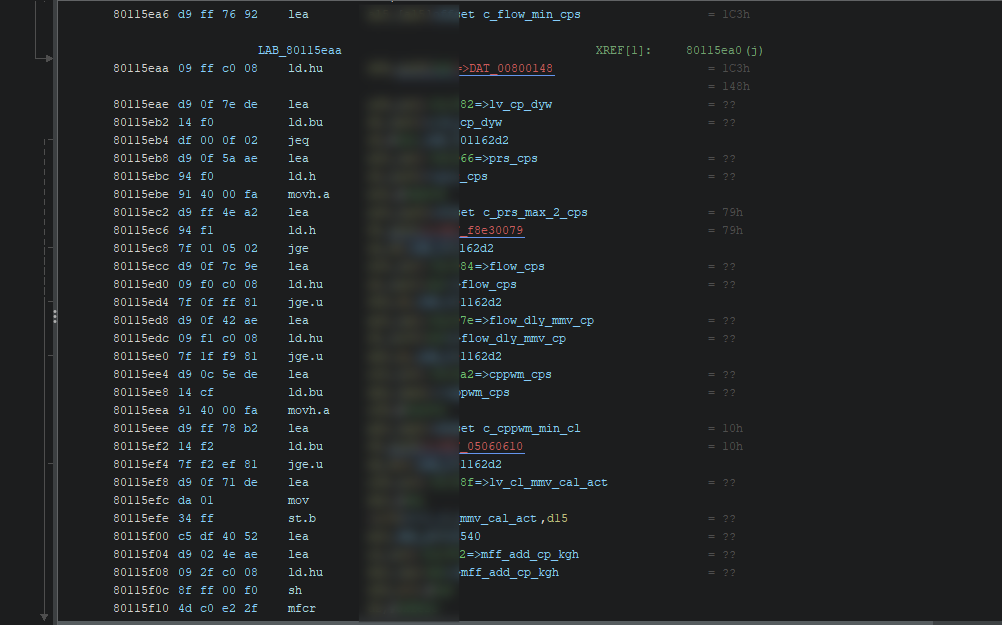
Instead of replacing the factory ECU with a standalone system, XRPD inserts custom control code directly into the original DME. The factory ECU stays in place, but its internal capabilities are expanded well beyond OEM limits.
This means advanced features, modern drivability, and full vehicle integration, without losing diagnostics, CAN integration, stability systems, or long-term serviceability.
XRPD is not a tune.
It is an extension of the factory ECU itself, adding new internal control layers that allow calibrations to operate with deeper authority, higher resolution, and broader capability than standard map-based tuning.
XRPD Launch Platform: BMW N52
XRPD is launching first on the BMW N51 and N52 platforms using the?MSV80/MSV80.1?DMEs and later on for MSV70, with additional platforms planned as the framework expands.
The N52 has become one of the largest and fastest growing performance ecosystems in the BMW community. It is reliable, affordable, widely supported, and increasingly used in forced-induction and high-performance builds.
XRPD allows the stock N52 DME to support features that previously required a standalone ECU.
Initial XRPD feature support on N52 includes:
- Switchable exhaust Pops/Flames/Bangs
- Flex-fuel support and ethanol blending strategies
- Advanced launch control
- Ignition cut limiters
- No-lift shift / flat-shift strategies?
- Anti-lag control strategies
- High-speed datalogging
- Revised rev limit logic (8160RPM Bypass, Destroked applications)
- Map switching with runtime selection
- Single Bank O2 support
- On-board boost control
- Advanced load modeling for forced induction applications
All while retaining:
- Factory CAN integration
- OEM diagnostics and service tools
- Stability and traction control interfaces
- Cold start and daily drivability logic
- Factory safeties, VVL, and knock control
This is a factory ECU, now operating with modern performance control features.
XRPD also provides the foundation for solving platform-specific drivability and integration challenges, including advanced intake and airflow strategies used in trumpet and velocity-stack development, transfer case coordination, and improved torque and load modeling across the driveline.
Related N52 development: N52 Velocity Stacks (Trumpets) | Latest N52 Trumpet Development Update | All Trumpet Updates
Why XRPD Exists
Modern BMW DMEs are extremely capable, but their factory software was never designed to support:
- Turbo and advanced forced-induction configurations
- Multi-fuel operation
- Runtime feature switching
- Advanced launch and shift strategies
- Motorsport-level datalogging and diagnostics
Historically, these requirements forced builders to abandon the factory ECU and move to a standalone system. That meant losing OEM diagnostics, CAN integration, stability systems, and long-term reliability.
XRPD was developed to eliminate that tradeoff.
With XRPD, the factory ECU remains in control. Its capabilities are simply expanded.
A History of Reverse Engineering and Custom ECU Development
XRPD is not 22RPD’s first work with factory ECU software. It is the result of years of reverse engineering and custom development across multiple BMW control systems.
Before XRPD, 22RPD developed and deployed custom code and extended control logic on platforms including:
- MSS54 / MSS54HP
- MS41
- M3.3.1
This work included:
- Full reverse engineering of factory control logic
- Custom single O2 strategies
- Flex-fuel add-ons on MSS54 and S52 platforms
- Internal logic extensions beyond standard map scaling
- Turbo and forced-induction control on factory ECUs
Many tuners can rescale maps. Few can modify internal control logic.
XRPD formalizes this work into a reusable platform. If you want a deeper look at true ECU flex-fuel control and how this kind of development evolves, see: The Evolution of Flex Fuel for the E46 M3.
From Custom Code to a Formal Extension Platform
XRPD represents a transition for 22RPD.
In the past, custom code was developed on a per-platform basis to solve specific problems. With XRPD, that capability becomes a structured extension framework.
Instead of working around factory limitations, XRPD adds new internal control layers that operate alongside OEM logic while preserving safety systems and diagnostics.
This enables:
- Transferable control strategies across platforms
- Deeper coordination between engine and driveline
- A scalable foundation for future ECU systems
XRPD is 22RPD’s first formal extension platform.
Legendary Support Included
XRPD is delivered with the same engineering process and support model that defines 22RPD tuning. For how support works (and what changed for 2026), see: 22RPD Tune Support Updates for 2026.
Every XRPD configuration includes:
- Direct engineering oversight
- Dyno and logging based development
- Long-term calibration support
- Ongoing feature updates as XRPD evolves
XRPD is not a one-time flash.
It is a supported control platform.
Extended Code. Stock DME. XRPD by 22RPD.
XRPD represents 22RPD’s long-term approach to modern BMW engine and vehicle control systems.
Preserve the factory ECU.
Extend its capabilities.
Deliver modern performance with OEM integration.